Costly Roof Replacement Mistakes to Avoid
Undertaking a major home renovation project is a significant milestone for any property owner. Among the various structural enhancements a house might require over its operational lifespan, installing a new overhead protective barrier ranks as one of the most critical and financially demanding endeavors. This comprehensive structural upgrade is essential for shielding a home from severe weather elements, preserving interior climate control, and maintaining long-term equity. Because of the substantial financial commitment required, homeowners must approach this process with meticulous care, careful planning, and a deep understanding of potential pitfalls. Missteps at any stage of the project can translate into severe financial losses, chronic structural vulnerabilities, and extensive emotional distress.
Unfortunately, many property owners treat this critical architectural upgrade as a simple commodity purchase, mistakenly believing that all materials and installation methodologies are virtually identical. This misconception often leads to rushed decision-making, inadequate research, and the prioritization of cheap labor over sustainable craftsmanship. A protective barrier must withstand decades of extreme temperature fluctuations, heavy precipitation, and intense winds. Therefore, cutting corners during the planning or execution phase inevitably backfires, resulting in premature deterioration and secondary damage throughout the household structure. By understanding the common errors associated with a major roof replacement, property owners can navigate the construction process with confidence, secure their investments, and enjoy decades of dependable performance.
Ignoring Local Building Code Mandates
Every municipality establishes explicit building regulations designed to guarantee structural safety, environmental resilience, and public welfare. These legal codes specify local parameters such as acceptable material weights, mandatory wind resistance thresholds, proper flashing techniques, and maximum allowable layers of overlay material. Failing to secure the appropriate municipal permits prior to commencing construction can halt a project mid-way, resulting in steep administrative fines and significant logistical delays. In severe instances, local enforcement officers may require the complete removal of newly installed components if the materials or methods fail to satisfy regional compliance regulations.
Overlaying New Materials on Old Shingles
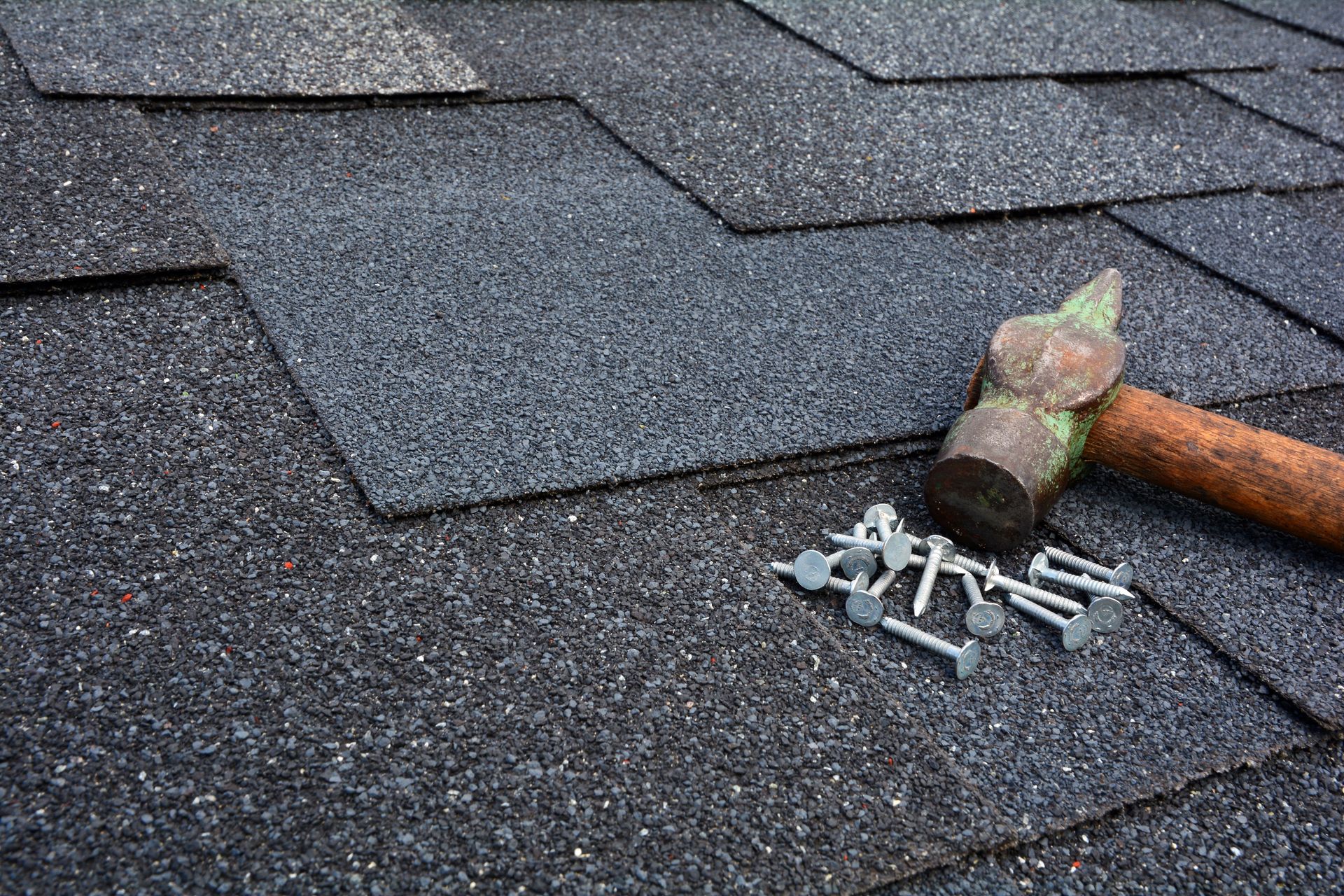
When searching for ways to minimize immediate out-of-pocket expenses, homeowners often consider the option of installing a new layer of shingles directly over an existing, deteriorating layer. While some local regulations technically permit a double layer of materials under highly specific conditions, this approach represents a short-sighted compromise that frequently yields catastrophic long-term consequences. Shingles require a perfectly flat, stable, and clean deck surface to adhere properly and form an airtight, weather-proof seal. Nailing new components into an uneven matrix of old, curled, or brittle shingles prevents proper alignment and dramatically increases the risk of materials tearing away during high-wind events.
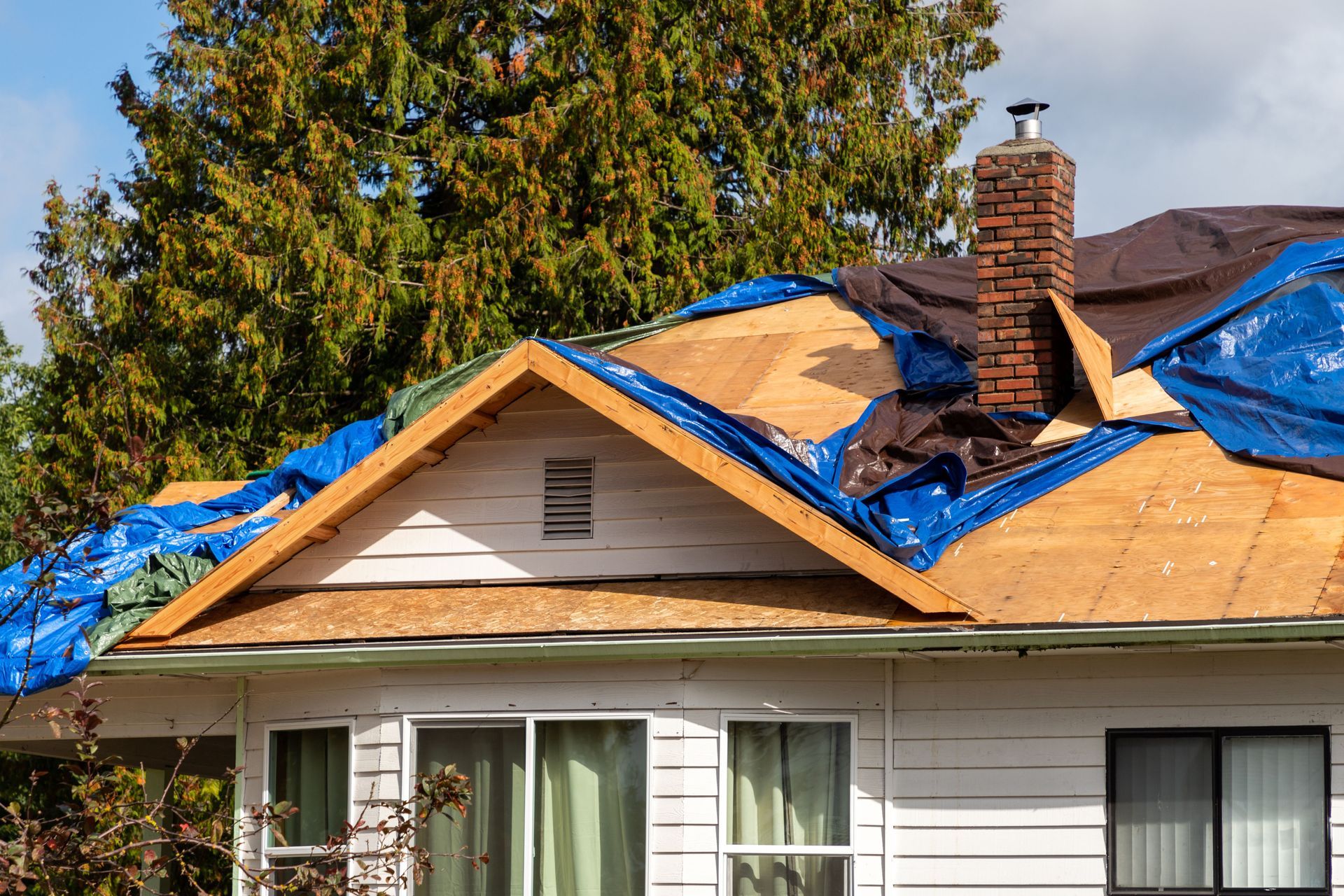
More importantly, failing to remove the original layer deprives technicians of the opportunity to thoroughly inspect the underlying wooden decking for hidden structural decay. Over years of service, moisture can seep through tiny cracks, rotting the plywood support boards, weakening the rafters, and fostering extensive mold colonies that remain invisible from the outside. If new materials are simply layered over this hidden rot, the underlying structure will continue to deteriorate under the immense added weight of the secondary installation, eventually risking a catastrophic structural collapse. A proper roof replacement necessitates a complete tear-off of all existing materials down to the bare wooden deck, allowing for complete structural remediation before new layers are meticulously applied.
Neglecting Attic Ventilation System Balance
An effective overhead protection system involves far more than simply nailing weather-proof materials to a wooden frame; it requires a highly integrated climate management ecosystem. One of the most frequently ignored aspects of this system is the maintenance of proper attic ventilation, which requires a precise balance between intake vents along the lower eaves and exhaust vents situated near the highest peaks. When a system lacks adequate airflow, heat and moisture become permanently trapped within the upper levels of the home. During sweltering summer months, attic temperatures can soar to extreme levels, effectively baking the shingles from beneath and causing them to prematurely blister, crack, and lose their protective mineral granules.
Conversely, during freezing winter months, warm air rising from the living spaces carries household moisture into an unventilated attic, where it condenses into liquid water against the cold underside of the roof deck. This chronic moisture accumulation breeds wood-destroying fungi, ruins insulation efficiency, and contributes significantly to the formation of destructive ice dams along the gutters. These ice formations force water backward under the shingles, resulting in severe interior ceiling leaks. A professional roof replacement plan must always include a comprehensive assessment and upgrade of the attic ventilation system to ensure the longevity of the new materials and optimize whole-house energy efficiency.
Choosing Materials Based Solely on Price
It is entirely natural for homeowners to remain conscious of their financial boundaries when planning major property upgrades. However, selecting structural components based exclusively on the lowest available price tag is a critical error that almost guarantees future financial strain. Economy-grade materials often feature vastly shorter lifespans, minimal resistance to environmental hazards, and highly restricted warranty protections. While high-performance alternatives require a larger initial investment, their ability to withstand severe weather, resist algae growth, and maintain structural integrity over many decades makes them far more economical in the long term.
According to the New York Post, 77% of homeowners say curb appeal is important, which helps explain why roof replacements remain a popular exterior improvement project. Investing in premium materials not only ensures robust structural defense but also significantly elevates the aesthetic distinction and market desirability of the entire residence. Choosing high-quality architectural options, modern synthetic underlayments, and advanced self-sealing ice and water barriers provides superior visual character and exceptional durability. Selecting components based on total long-term value rather than immediate upfront cost ensures that the home remains beautifully protected and highly valued for generations to come.
Failing to Understand Warranty Fine Print
A significant number of property owners complete their construction projects under the false assumption that they are automatically covered by a comprehensive, unconditional lifelong warranty against any future issue. In reality, protective warranties are highly complex legal agreements divided into two distinct categories: manufacturer warranties covering material defects, and contractor warranties covering installation workmanship. Reading and understanding the exact terms, limitations, and exclusions of these separate coverages is essential for preventing devastating financial surprises if a leak or material failure occurs down the road.
Ultimately, a successful overhead restoration project depends entirely on a homeowner's willingness to prioritize quality, comprehensive preparation, and professional execution over quick fixes and cheap alternatives. While avoiding these common pitfalls requires a higher level of initial research and financial commitment, the long-term rewards are undeniable. A meticulously executed project eliminates the stress of chronic leaks, protects the home's primary framing from invisible environmental decay, reduces monthly utility expenditures, and preserves the total market value of your real estate asset.
Treating this essential renovation with the seriousness it deserves transforms a stressful construction burden into a smooth, rewarding investment in your family's safety and comfort. By partnering with credentialed experts, selecting superior materials, and ensuring complete compliance with regional construction rules, you create a beautiful, resilient shield that will safeguard your household for decades. Taking the time to execute every step correctly guarantees that your newly installed overhead barrier will stand strong against the elements, providing invaluable peace of mind through every season. Contact All Over Roofing today to plan your premium exterior upgrade.
Share On: