Roofing Companies 101: What to Know
The roofing industry plays a pivotal role in the construction and maintenance of buildings, providing invaluable services that ensure the safety and longevity of roofing structures. Choosing the right roofing company is essential not only to meet building codes but also to safeguard against potential problems that can arise from subpar workmanship. The United States sees a significant demand for roofing services, with around 5 million new roofing systems constructed annually as homes and businesses either install new roofs or replace old ones. It's a reflection of the vital importance of this industry segment, not just in terms of economic impact, but also in addressing the practical needs of countless homeowners and commercial property managers. Engaging with experienced, reputable roofing companies directly influences the quality and durability of a roof, underscoring the need for informed decision-making in selecting the right partner for roofing needs.
Finding a Reliable Roofing Company
Research and Reviews
Online research is a critical component in finding a reputable roofing company. Prospective clients should delve into customer reviews to gain insights into the quality of work and customer service provided by different firms. Testimonials and ratings on platforms like Google, Yelp, and Better Business Bureau can reveal red flags such as unreliability or shoddy workmanship, which should be carefully considered. However, relying solely on reviews is not entirely foolproof; cross-referencing multiple sources of feedback ensures a more balanced perspective. Engaging with community forums and local social media groups can also provide anecdotal evidence and recommendations from neighbors and friends.
Accreditations and Certifications
Checking for industry accreditations and certifications is paramount when selecting a roofing company. These credentials validate a company's compliance with industry standards and its commitment to ongoing training and quality assurance. Certifications from organizations like the National Roofing Contractors Association or specific product manufacturer endorsements underscore a company’s expertise and dedication. Moreover, certified companies are often held to higher standards of work and ethics, providing customers with additional peace of mind. They are also more likely to be up-to-date with the latest technologies and methodologies in the roofing industry.
Local Expertise
The advantages of choosing a local roofing company cannot be overstated. Firms with local expertise possess an in-depth understanding of regional climate variations and their impacts on roofing structures. They are also likely familiar with local building codes and permit requirements, ensuring regulatory compliance and avoiding potential bureaucratic setbacks. Local companies often have established relationships with suppliers and subcontractors, potentially passing on cost savings and efficiencies to their customers. Supporting local businesses also strengthens the community's economy and energy resilience.
Insurance and Licensing
Verifying a company’s insurance and licensing is a crucial step in selecting a roofing contractor. Insurance, including worker’s compensation and liability coverage, protects homeowners from any potential liabilities or damages. Proper licensing ensures that the company meets all legal and regulatory requirements for operating in their area. Without these verifications, homeowners may find themselves financially liable for accidents or poor workmanship. It is advisable to request proof of both licensing and insurance before any contracts are signed. A legitimate company will be transparent and forthcoming with this information.
Pricing Transparency
Clearly understanding a roofing company's pricing structure is vital in the decision-making process. Transparent pricing means detailed, written estimates that outline the costs for materials, labor, permits, and any additional fees. An itemized breakdown allows homeowners to compare estimates from multiple companies and identify any inconsistencies. Honest companies should be willing to discuss their estimates and address any discrepancies or questions openly. By ensuring pricing transparency, homeowners protect themselves from hidden charges and unexpected expenses.
Types of Roofing Materials
Asphalt Shingles
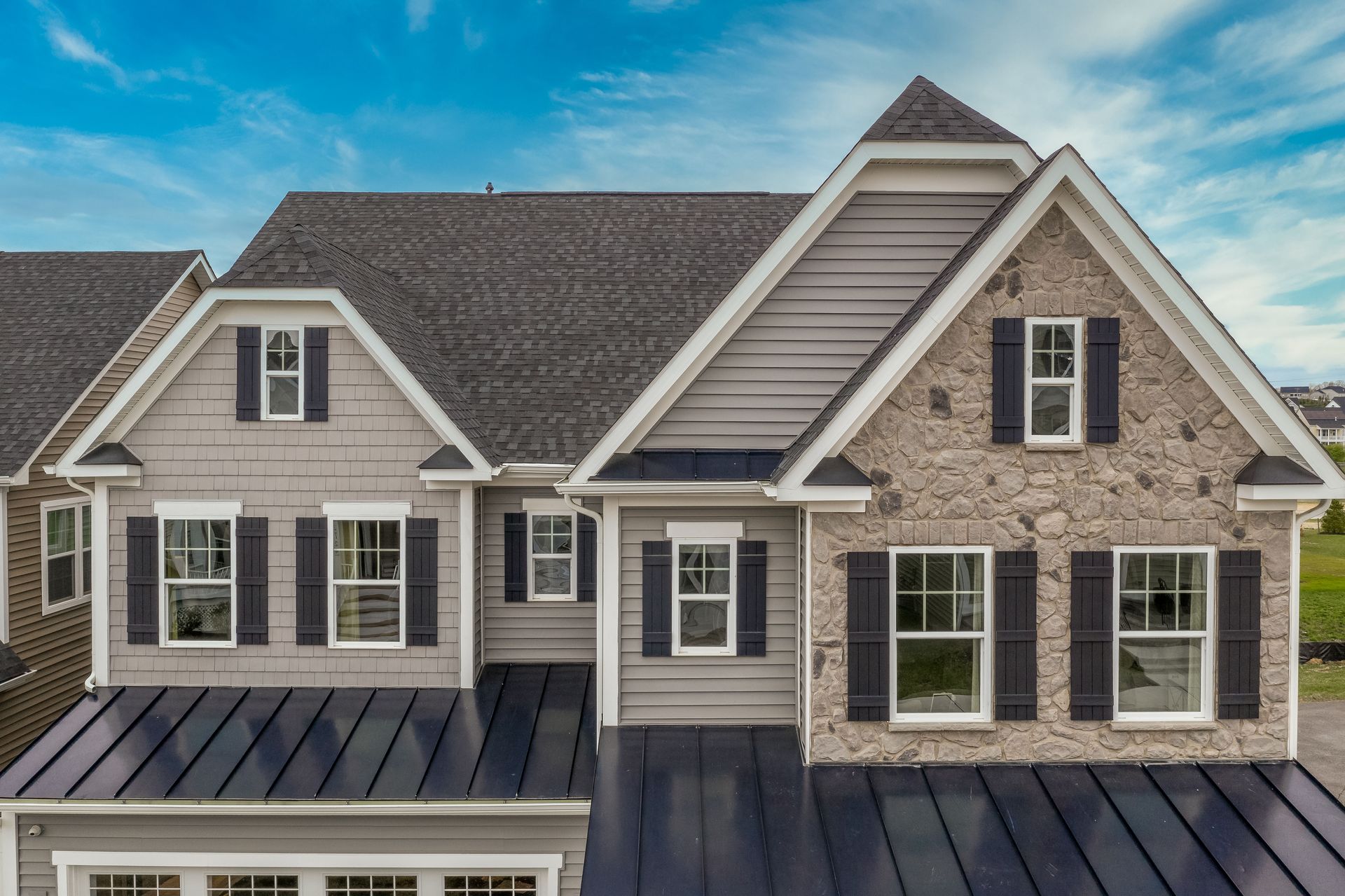
Asphalt shingles remain one of the most popular roofing options due to their affordability and adaptability. They perform well in a variety of climates, providing reliable protection against rain, snow, and UV exposure. Most homeowners appreciate the range of styles and colors available, which can complement a wide array of architectural designs. However, asphalt shingles typically have a shorter lifespan compared to other materials, necessitating more frequent replacements. Their lower initial cost, however, often offsets the need for periodic upgrades.
Metal Roofing
Metal roofing has gained traction for its durability and long lifespan. It offers excellent resistance against severe weather conditions, including high winds, hail, and heavy snowfall. Metal roofs are praised for their energy efficiency, reflecting solar radiant heat and reducing cooling costs substantially in warmer months. Although the installation costs may be higher upfront, the longevity and reduced maintenance of metal roofs often justify the initial investment. They can last over 50 years with proper care, making them a sustainable choice for many homeowners.
Tile Roofing
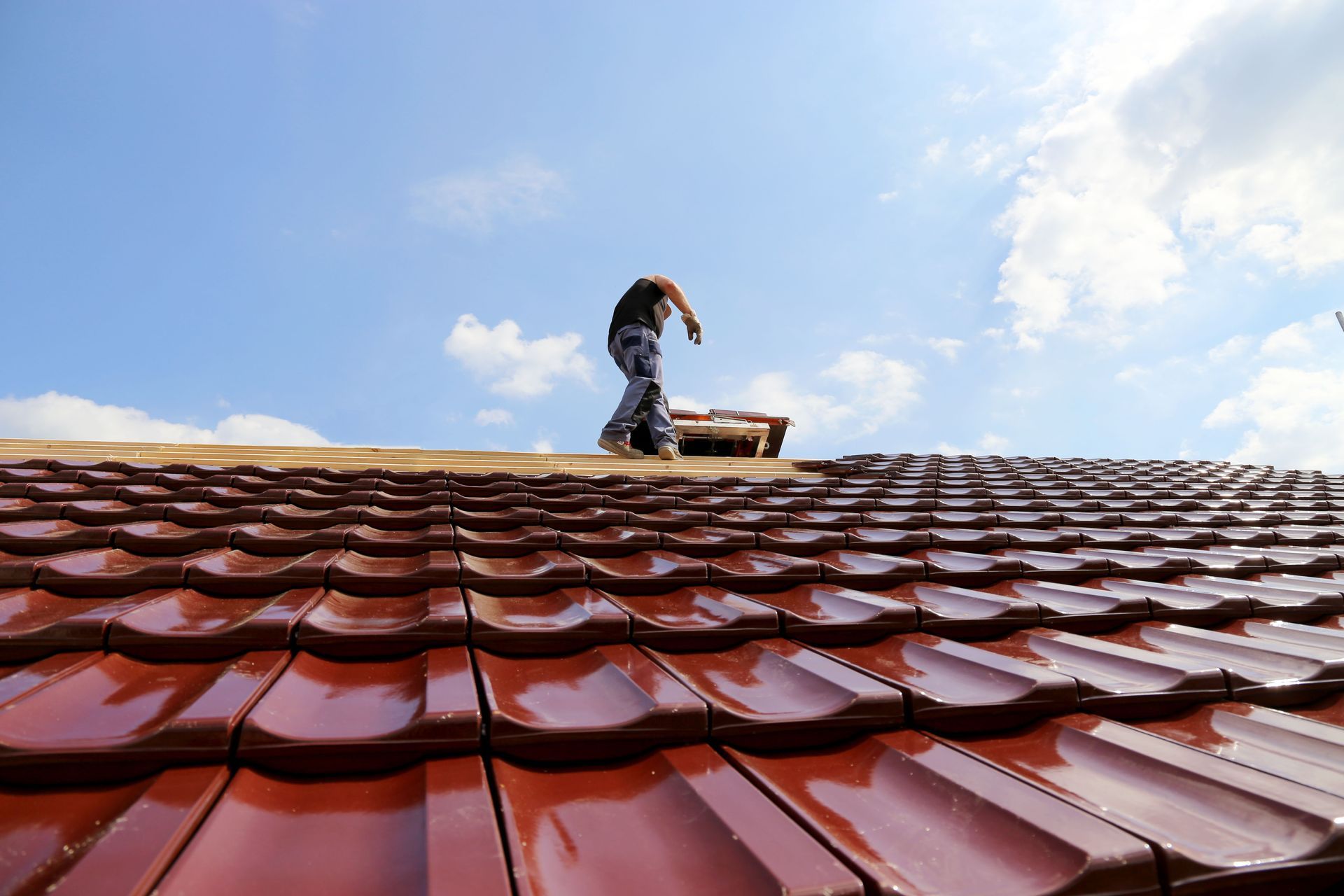
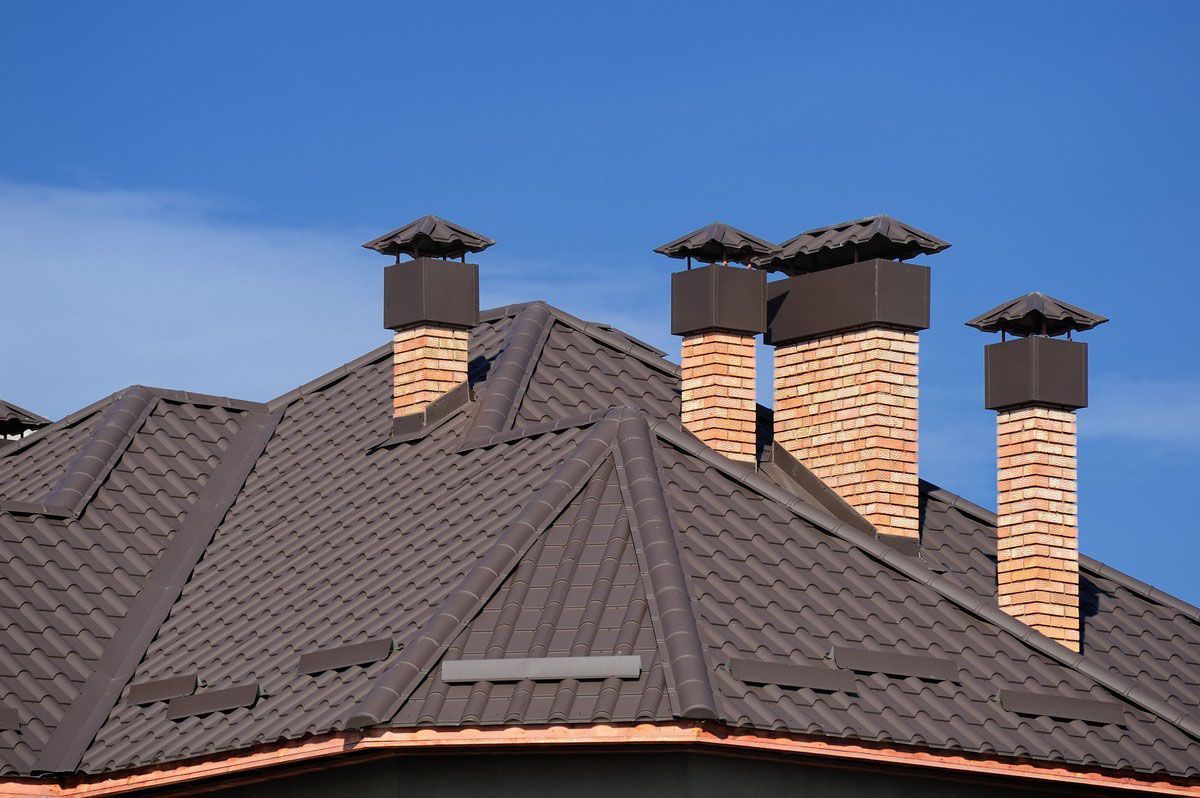
Tile roofing is cherished for its aesthetic appeal and exceptional durability. Available in materials such as clay and concrete, tiles offer outstanding resistance to fire and harsh weather. Their thermal properties can help moderate house temperatures, contributing to energy efficiency. Despite their beauty, tile roofs are heavy and require robust support structures, increasing installation costs. With proper installation, tiled roofs can last over a century, providing significant value over time.
Wood Shingles and Shakes
Wood shingles and shakes provide a natural, rustic look popular in traditional and cottage-style homes. Cut and manufactured differently, shakes offer a more rugged appearance, while shingles present a smoother finish. However, wood roofing materials require regular maintenance to safeguard against rot, pest infestation, and fire. Despite these concerns, treated wood roofs can provide suitable insulation for energy efficiency. Careful treatment and maintenance can prolong their lifespan significantly.
Flat Roofing Solutions
Flat roofs often utilize materials like EPDM, PVC, and TPO. These materials offer practical solutions for industrial buildings and modern residential designs. Commonly employed in commercial establishments, these options are prized for their affordability and ease of installation. However, their flat surface can pose drainage issues if not professionally installed. With periodic maintenance, flat roofs can provide efficient service for up to two decades.
The Roofing Installation Process
Initial Consultation and Assessment
The roofing installation process begins with an initial consultation and assessment. During this phase, the roofing company meets with the client to discuss their specific needs and expectations. According to RubyHome, around five million fresh roofing systems are constructed every single year in the United States. A thorough inspection of the existing roof may follow to assess its condition and identify any underlying issues. Communication during this stage is key to accurately defining project scope, timeline, and costs. This foundational step ensures that both parties are aligned, setting the framework for a successful installation project.
Choosing the Right Materials
Selecting appropriate roofing materials is a collaborative effort between the company and the client. Factors such as climate, architectural style, budget, and personal preference dictate material choice. Expert advice from the roofing company helps homeowners navigate the complexities of material selection to ensure optimal performance and longevity. Additionally, considerations around energy efficiency and environmental impact may influence the decision. By evaluating options thoroughly, homeowners are equipped to make an informed decision that aligns with their long-term home improvement goals.
Informed decision-making is crucial when selecting and working with roofing companies. From understanding material options to financing alternatives and sustainability considerations, each aspect influences the quality and value of roofing investments. The United States faces immense demand for new roofing systems annually, illustrating the importance of reliable, knowledgeable roofing partners in meeting evolving industry requirements. This comprehensive guide underscores essential elements of roofing projects, enhancing consumer confidence and promoting successful outcomes. As homeowners navigate the complexities of selecting roofing companies, preparedness and foresight remain the stronghold of lasting satisfaction and structural integrity. Be sure to reach out to All Over Roofing today to learn more about our professional roofing companies!
Share On: