Why Most Roof Repair Is Tied to Insurance
Homeowners often view their home as a complete safe haven, but sudden severe weather can quickly change that perspective. A major storm can rip shingles away, crack tiles, or cause severe leaks that jeopardize the structural integrity of an entire building. When damage occurs, addressing it promptly becomes an urgent top priority to prevent long-term structural harm. However, fixed household budgets mean that unexpected out-of-pocket expenses can strain family finances significantly. This financial reality explains why the vast majority of roof repair work connects directly to home insurance coverage, allowing property owners to manage restoration costs effectively without facing total financial ruin in the process.
Understanding Severe Weather and Sudden Damage
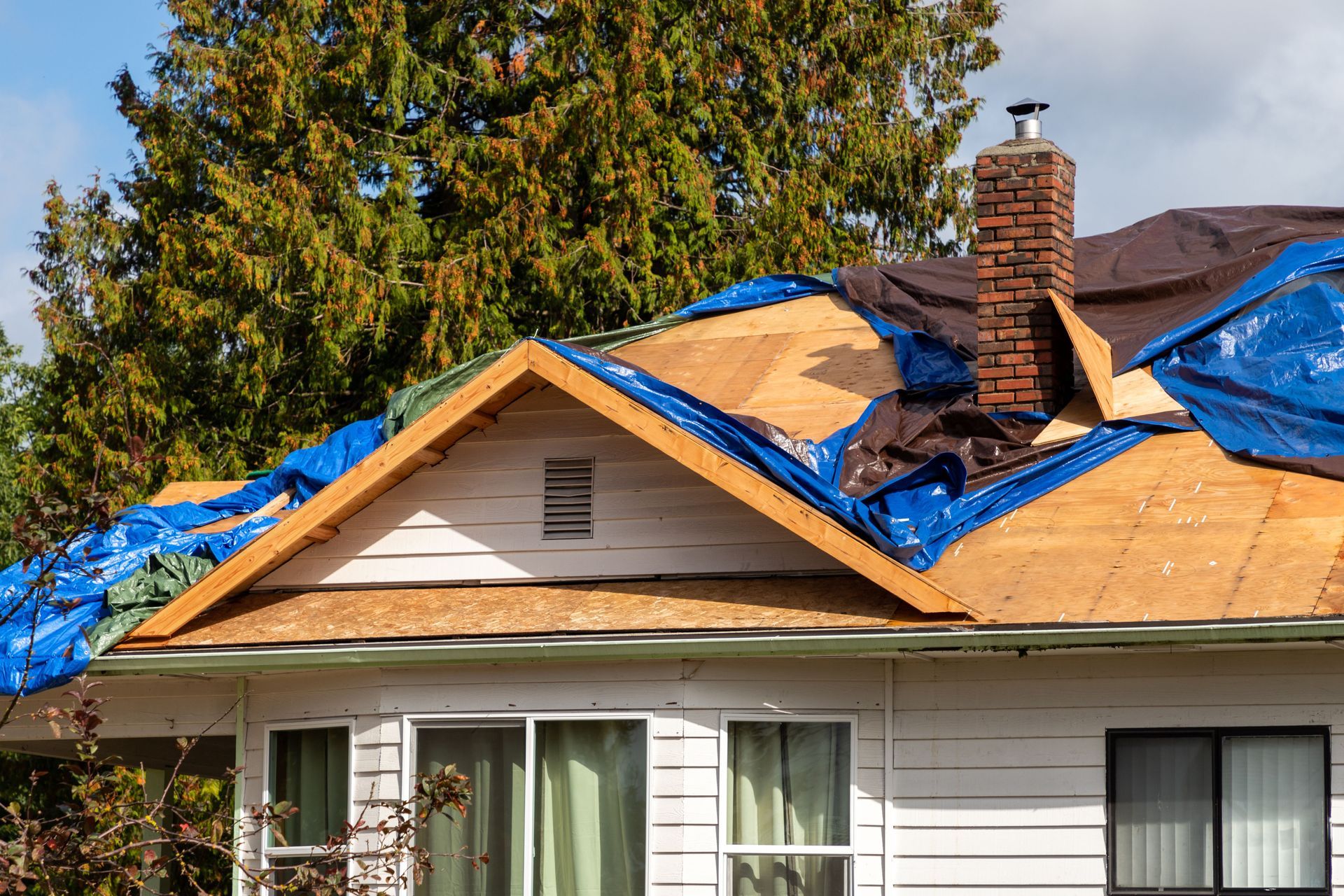
Severe weather events represent the primary driver behind unexpected roof repair needs for homeowners across the country. High winds can tear protective shingles clean off a house, while heavy hail impact leaves subtle cracks that compromise essential protective layers over time. Falling tree limbs during violent windstorms can easily puncture underlayment, creating immediate pathways for severe water intrusion. Because these incidents happen suddenly without advance warning, home insurance policies are structured specifically to cover sudden and accidental physical loss. Consequently, when storm damage strikes, property owners immediately look to their active insurance coverage to help fund necessary roof repair projects.
Navigating the Financial Burden of Property Restoration
Major home updates and structural restorations represent significant investments that few modern households can easily pay for out-of-pocket on short notice. Unexpected severe weather can instantly transform minor routine property care into an overwhelming financial commitment. The costs associated with quality materials, skilled professional labor, and proper waste disposal accumulate rapidly during any major restoration project. Without substantial financial assistance, many families would have to delay necessary roof repair efforts, exposing their homes to mold growth, widespread wood rot, and extensive internal drywall damage. Insurance coverage acts as a vital safety net, absorbing the vast majority of these substantial restoration costs so families can protect their valuable property investments promptly.
Considering Statistical Insights Into the Roofing Industry
The relationship between insurance carriers and property restoration contractors is deeply rooted in verified industry data. According to Roofr, approximately 38% to 40% of all roofing jobs in the U.S. are directly tied to an insurance claim. This substantial figure underscores how central policy coverage really is to maintaining residential housing stock nationwide. Because almost half of all active projects depend on claims payouts, contractors design their business models to align seamlessly with insurance processes, ensuring smooth communication and efficient project completion for affected policyholders seeking roof repair assistance.
Recognizing the Limitations of Age and Maintenance
Insurance policies are strictly designed to cover sudden, accidental damage rather than routine long-term maintenance or predictable wear and tear. Over time, constant sunlight, dramatic temperature shifts, and minor weather conditions cause materials to age naturally. Aging protective layers lose their ability to shed moisture effectively and become increasingly vulnerable to wind uplift. When a surface reaches the end of its natural useful lifespan, insurance companies typically expect homeowners to fund updates independently. Failing to address gradual deterioration early can compromise structural integrity before a major storm even hits. Understanding this key distinction helps property owners recognize when a situation qualifies for an insurance-funded roof repair versus when a project falls under general maintenance responsibility, saving valuable time and preventing unexpected claim denials.
Evaluating the Role of Property Adjusters
After a homeowner files an official claim for storm damage, an insurance adjuster visits the property to perform a thorough physical inspection. This qualified representative evaluates the full extent of the damage, determines whether covered perils caused the issues, and calculates the overall claim value. Their detailed assessment directly dictates how much funding the policyholder receives to complete the necessary roof repair. Because adjusters look for specific evidence of wind or hail impact, their approval acts as the direct gateway to receiving financial coverage, solidifying the clear connection between insurance policies and restoration work.
Managing Deductibles and Out-of-Pocket Expenses
Even when an insurance claim gains official approval, property owners must cover their agreed policy deductible before financial coverage kicks in. Deductible amounts vary depending on specific policy terms, often ranging from a fixed dollar amount to a percentage of the overall home value. This structure ensures that policyholders retain some direct financial participation in the restoration process. However, paying a set deductible is significantly more manageable than funding a complete roof repair independently, making insurance claims the preferred financial pathway for homeowners facing storm damage.
Streamlining Document Filing and Estimate Processing
Filing a successful insurance claim requires clear documentation, detailed photo evidence, and accurate scope estimates. Comprehensive photo evidence helps eliminate ambiguity regarding when and how physical damage occurred. Insurance companies demand precise line-item breakdowns that strictly follow standardized industry pricing structures before disbursing funds. Professional contractors assist policyholders by providing detailed assessments that match insurance guidelines, ensuring that every necessary aspect of the roof repair gets properly documented. Having a clear and complete estimate reduces the likelihood of back-and-forth disputes over project scope. This administrative alignment ensures that claims process smoothly, allowing actual work to commence quickly and restoring peace of mind to affected homeowners.
Protecting Property Value and Structural Integrity
Ignoring minor storm damage can quickly lead to major structural issues throughout a home, including ruined insulation, compromised ceilings, and hazardous mold growth. Promptly completing a needed roof repair using insurance proceeds prevents minor damage from escalating into severe, high-cost structural problems down the road. Insurance companies strongly encourage timely restorations because preventing secondary damage ultimately saves money for both the policyholder and the carrier, keeping overall real estate value stable across local communities.
Adapting to Changing Climate Patterns and Risk
As unpredictable weather events become more frequent, insurance carriers continually adjust their coverage models and regional risk assessments. Regions that previously experienced mild weather now face uncharacteristic hail storms, severe wind events, and heavy snowfall. Localized weather anomalies can create sudden spikes in demand for emergency structural services within impacted communities. This environmental shift has led to higher volumes of insurance claims for emergency roof repair across wide geographic areas. As weather patterns continue to evolve, the overall dependency on comprehensive insurance policies to cover emergency structural restoration will only grow stronger.
Working With Professional Industry Contractors
Handling complex property restoration requires deep industry knowledge, proper safety equipment, and skilled technical execution. Relying on licensed professionals ensures that every restoration project adheres strictly to local building codes and manufacturer guidelines. Experienced contractors navigate the technical details of a roof repair seamlessly while coordinating directly with insurance estimates to deliver lasting quality. Partnering with trained professionals ensures that your property receives high-quality care while maximizing the financial benefits provided by your active insurance policy.
The strong bond between insurance policies and home restoration is built on financial necessity and long-term risk protection. When severe weather strikes unexpectedly, insurance coverage provides homeowners with the essential financial resources needed to complete a timely roof repair without breaking the bank. By understanding how claims work, recognizing policy guidelines, and working alongside skilled contractors, property owners can navigate complex restoration projects with total confidence. If your home has recently suffered storm damage and requires attention, contact All Over Roofing today to schedule a thorough professional inspection and start restoring your property safely.
Share On: