The Importance of Timely Roof Replacement for Modern Homes
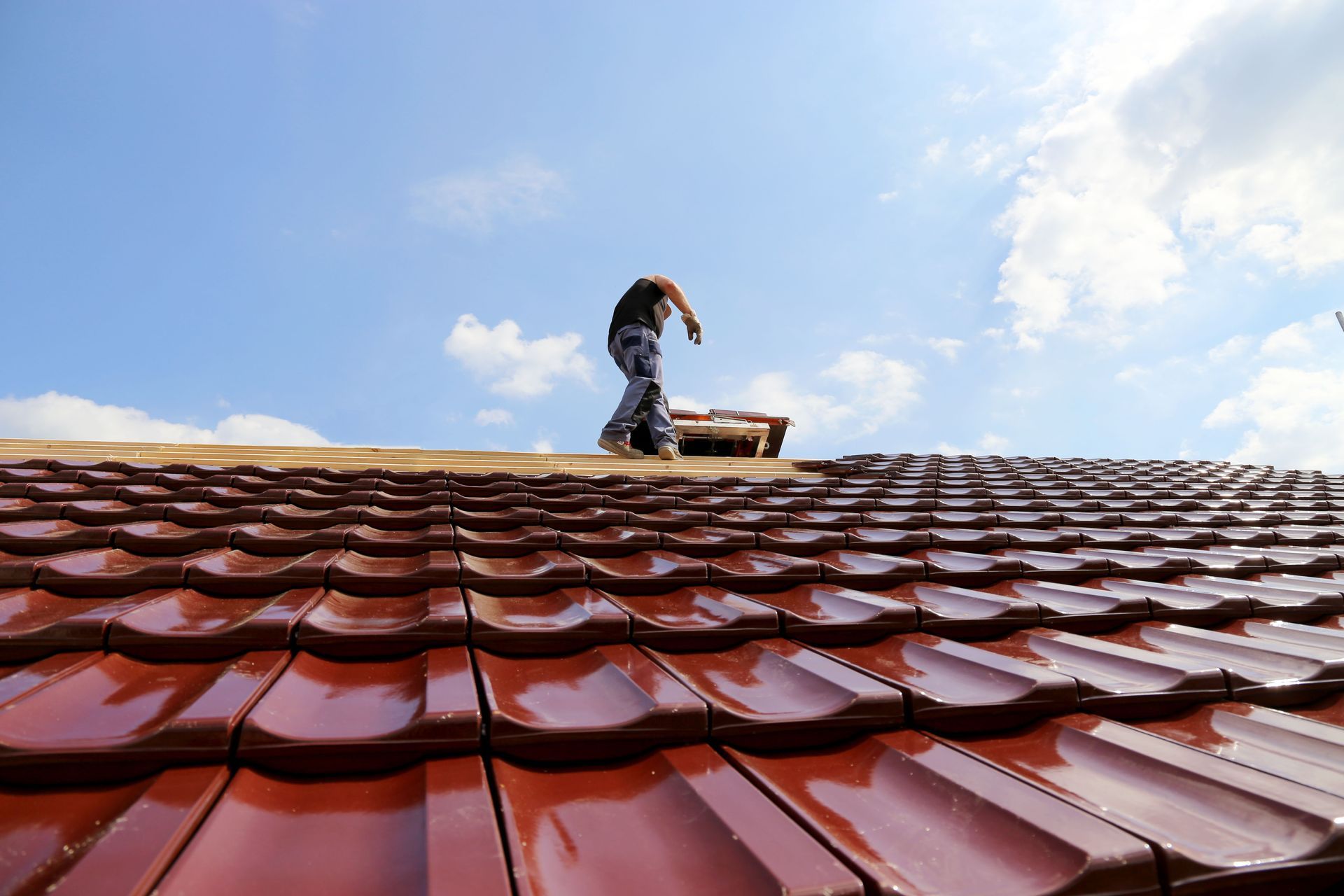
The importance of the overhead structure remains a distant thought for many homeowners until a visible failure occurs. However, the integrity of a modern residence relies heavily on the quality and condition of its uppermost shield. As architectural trends evolve and weather patterns become increasingly unpredictable, the necessity of proactive maintenance and eventual replacement becomes a central theme in responsible property ownership. Transitioning from a weathered surface to a new installation is not merely a cosmetic upgrade; it is a fundamental preservation of the assets contained within the walls. Neglecting this critical component can lead to a cascade of structural issues that far exceed the initial cost of professional intervention.
The modern home is a complex ecosystem of insulation, ventilation, and structural supports. When the exterior barrier begins to fail, the entire equilibrium is disrupted. Understanding when to transition from simple repairs to full roof replacements is vital for maintaining the longevity of the dwelling. Homeowners often underestimate the pace at which environmental stressors degrade even the highest quality materials. From intense solar radiation to heavy precipitation, the constant barrage of the elements ensures that every protective layer has a finite lifespan. Recognizing the shift from functional to failing is the first step in ensuring a secure domestic environment.
Preserving Structural Integrity Across Generations
Maintaining the bones of a house requires a dry environment, free from the creeping influence of moisture. Once a leak penetrates the primary barrier, it begins to compromise the wooden rafters, ceiling joists, and wall studs that provide the house with its shape and strength. Timely roof replacements prevent this moisture from reaching the internal frame, where it can cause rot and decay. Over time, even a small, undetected leak can lead to significant structural weakening, necessitating expensive and invasive reconstruction efforts. By addressing the need for a new surface before catastrophic failure occurs, owners ensure that the fundamental stability of their residence remains uncompromised by the slow erosion of water damage.
Furthermore, the weight of the overhead materials themselves can become a liability if the underlying deck becomes saturated. Modern building codes are strict regarding load-bearing capacities, and a compromised roof deck may no longer meet these safety standards. Replacing the system at the appropriate interval ensures that the weight distribution remains balanced and that the structural components remain dry and rigid. This foresight protects not only the physical building but also the safety of those residing within it, as it eliminates the risks associated with sagging ceilings or compromised structural members during heavy storms.
Maximizing Energy Efficiency Through Innovation
Enhancing the thermal performance of a residence is often achieved through upgrades to the attic and the external covering. Older systems frequently lack the reflective properties and advanced ventilation techniques found in modern materials. Engaging in roof replacements allows homeowners to integrate "cool roof" technologies that reflect more sunlight and absorb less heat. This transition directly impacts the internal temperature of the home, reducing the reliance on mechanical cooling systems during the warmest months. The synergy between a new exterior surface and updated insulation creates a much more efficient thermal envelope, preventing conditioned air from escaping and external heat from entering.
Modern materials are engineered with specific thermal profiles that cater to various climates. By choosing the right product during a replacement, an owner can significantly lower their monthly operational costs. Moreover, the environmental impact of a more efficient home is substantial, as reduced energy consumption translates to a smaller carbon footprint. This marriage of sustainability and fiscal responsibility makes the decision to upgrade the overhead protection a wise investment for the future-conscious resident who values both comfort and conservation.
Preventing Biological Hazards And Mold Growth
Protecting the health of the occupants is perhaps the most compelling reason to ensure a dry attic space. Moisture intrusion is the primary catalyst for the growth of mold and mildew, which can spread rapidly through a ventilation system. These biological contaminants thrive in the dark, damp environments created by a failing exterior barrier. By prioritizing roof replacements, property owners eliminate the source of moisture that fuels these hazards. Once mold takes root in the insulation or drywall, the remediation process becomes significantly more complex and costly than the price of a standard roofing project. Ensuring a tight seal against the elements is the most effective way to maintain high indoor air quality.
In addition to mold, excessive moisture can attract various pests that thrive in decaying wood. Insects and rodents often seek out the softened materials of a compromised roofline to gain entry into the home. A new, secure installation acts as a formidable deterrent against these unwanted visitors. By maintaining a solid and impenetrable perimeter, homeowners avoid the health risks and property damage associated with infestations. This proactive approach to home maintenance creates a sanitary and safe living environment that is free from the hidden dangers of biological growth and pest intrusion.
Increasing Market Value And Curb Appeal
Boosting the aesthetic and financial value of a property is a natural byproduct of professional exterior upgrades. The roof represents a significant portion of a home's visual profile, and its condition is one of the first things a prospective buyer or appraiser notices. According to RubyHome, 5 million new roofs are installed each year, highlighting the massive scale of this industry and the frequency with which owners choose to invest in their property's future. A fresh, modern installation signals to the market that the home has been meticulously maintained, often leading to a higher appraisal and a faster sale process when the time comes to list the property.
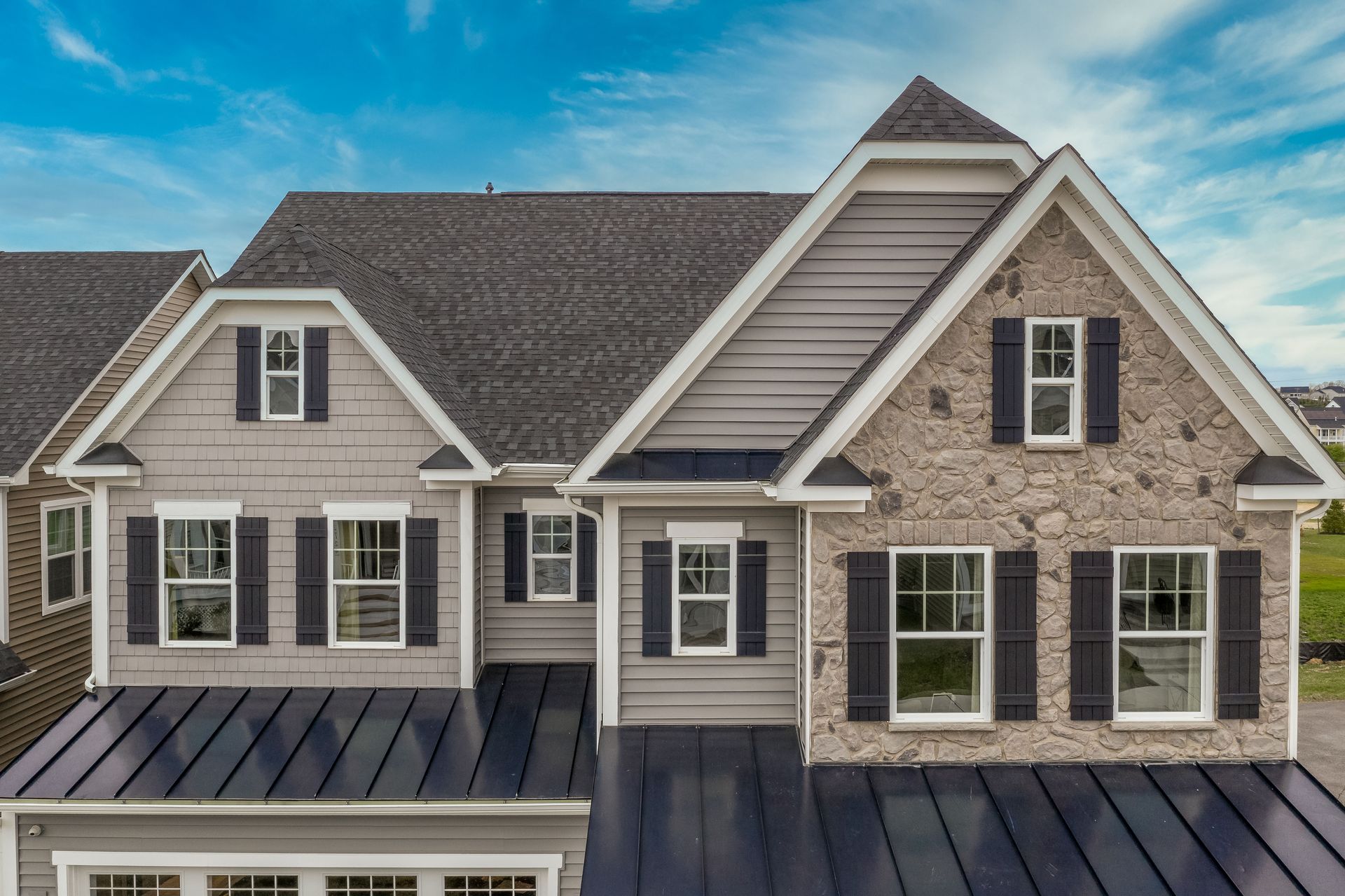
Curb appeal is not just about vanity; it is about the perception of quality and care. A weathered, stained, or missing shingle can overshadow even the most beautiful landscaping or exterior paint. Conversely, modern roof replacements offer an array of styles, colors, and textures that can transform a dated house into a contemporary masterpiece. This visual revitalization provides a sense of pride for the owner and contributes to the overall beauty of the neighborhood. In a competitive real estate market, having a documented history of timely improvements can be the deciding factor for a buyer looking for a move-in-ready home.
Optimizing Long Term Financial Planning
Avoiding the high costs of emergency repairs is a hallmark of sound financial management. While the upfront investment of a full installation may seem daunting, it is far more predictable and manageable than the sporadic and often exorbitant costs of patching a failing system. Frequent minor repairs rarely address the underlying issues and often serve as a temporary bandage on a terminal problem. By opting for roof replacements before the structure reaches a state of crisis, homeowners can plan their budgets, choose their preferred materials, and schedule the work during favorable weather conditions. This control over the process leads to better outcomes and lower overall expenses over the life of the property.
Insurance considerations also play a role in this financial strategy. Many providers offer reduced premiums for homes with newer, more resilient roofing systems that are less prone to wind and hail damage. Conversely, an aged or poorly maintained roof can lead to higher rates or even the cancellation of coverage in certain regions. By staying ahead of the replacement cycle, owners mitigate their risk profile and ensure they remain protected by their insurance policies. This proactive stance transforms a necessary maintenance task into a strategic financial move that safeguards the owner’s equity and reduces their long-term liability.
At All Over Roofing, we understand that your home is your greatest investment, and we are dedicated to providing the expert guidance and craftsmanship necessary to protect it with high-quality, durable solutions.
Share On: