
What to Expect During a Professional Roof Installation
A roof plays a vital role in protecting a home from harsh weather, preventing water intrusion, supporting energy efficiency, and preserving structural integrity. Over time, however, even the strongest roof begins to show signs of wear. When replacement becomes necessary, scheduling a professional roof installation ensures that the new roofing system is designed and built to provide long-term performance.
Understanding what happens throughout the installation process helps homeowners feel more prepared, make informed decisions, and maintain confidence that their investment is being handled with care. While each home and roofing system may have unique characteristics, most projects follow similar steps that ensure durability, safety, and compliance with modern building standards.
Beginning With a Detailed Assessment and Project Planning
Before the roof installation begins, contractors perform a comprehensive inspection of the home’s existing roofing system. This initial assessment allows them to evaluate current damage, identify areas of moisture intrusion, and locate structural concerns that must be addressed before new materials are added. Roofers carefully measure the roof, review its pitch and ventilation layout, and discuss material options that best support the home’s needs and local climate conditions.
Planning also involves determining whether upgrades or additional components are necessary. Some homeowners choose to add ridge vents, improved flashing, or higher-quality underlayment to support better waterproofing and energy efficiency. Others consider material changes to improve longevity or aesthetics. A contractor explains these options clearly so the homeowner understands both the short-term and long-term benefits of each choice.
This stage is also when scheduling, pricing, and duration of the project are finalized. Homeowners may be advised to remove patio furniture, vehicles, or decorative landscaping items from the work area. Good communication in this planning period reduces disruptions once crews arrive and helps ensure a smooth, efficient roof installation process from start to finish.
Removing Old Roofing Materials and Preparing the Surface
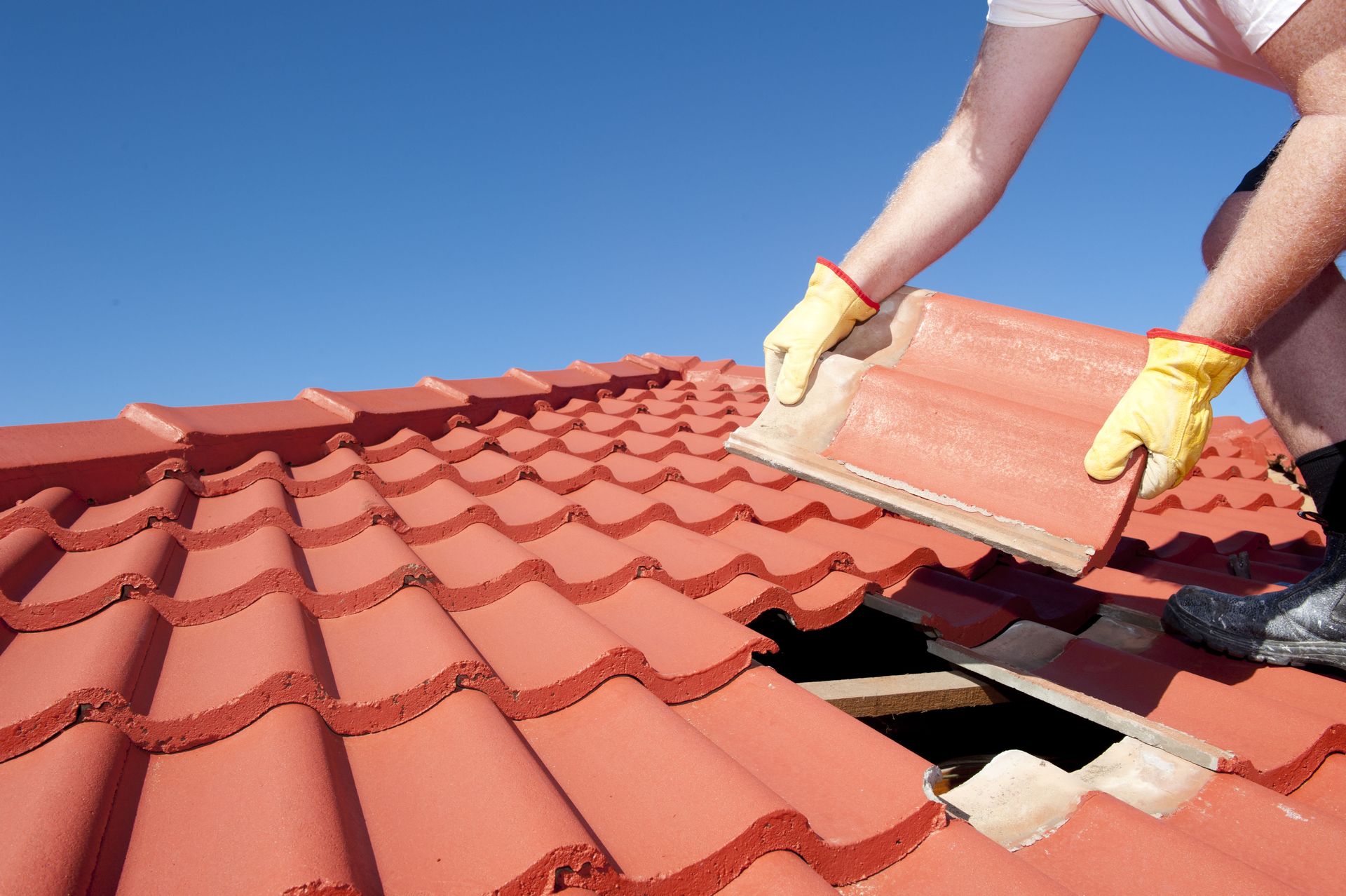
The first physical step of a roof installation requires stripping away old shingles and associated debris. Crews typically place protective coverings over landscaping, windows, and siding to prevent damage during the tear-off. Once preparations are complete, old shingles, nails, underlayment, and damaged flashing are removed to expose the decking underneath.
Removing the roof is a labor-intensive process, but it is critical to achieve lasting results. Tear-offs allow contractors to fully inspect the underlying structure, something that is impossible when new shingles are installed over damaged or aging materials. Decking must be dry, strong, and structurally sound before any new roof components are installed. If roofers find soft or rotted sections, those panels are replaced to ensure the new system has a sturdy foundation.
The removal stage also provides an opportunity to correct previous installation mistakes or outdated components. For example, older roofs may lack proper ventilation or may contain flashing that has deteriorated. Addressing such issues now prevents premature failure of the new roof and reduces future maintenance needs.
Installing the Weatherproofing and Ventilation Components
Once the roof surface is fully prepared, installers begin adding the essential protective layers beneath the shingles. This step ensures that the home remains safeguarded against rain, snow, and ice.
Contractors start by attaching a drip edge along the roof’s perimeter to direct water away from the fascia. They then apply waterproof underlayment and, in colder climates, an additional ice-and-water barrier along the eaves and valleys—areas prone to water pooling and infiltration.
Ventilation is another key element of proper roof installation. Adequate airflow in the attic prevents moisture buildup, reduces the risk of mold growth, and contributes to more stable indoor temperatures. Contractors may replace or upgrade ridge vents, soffits, or attic ventilation systems to meet current codes and manufacturer specifications.
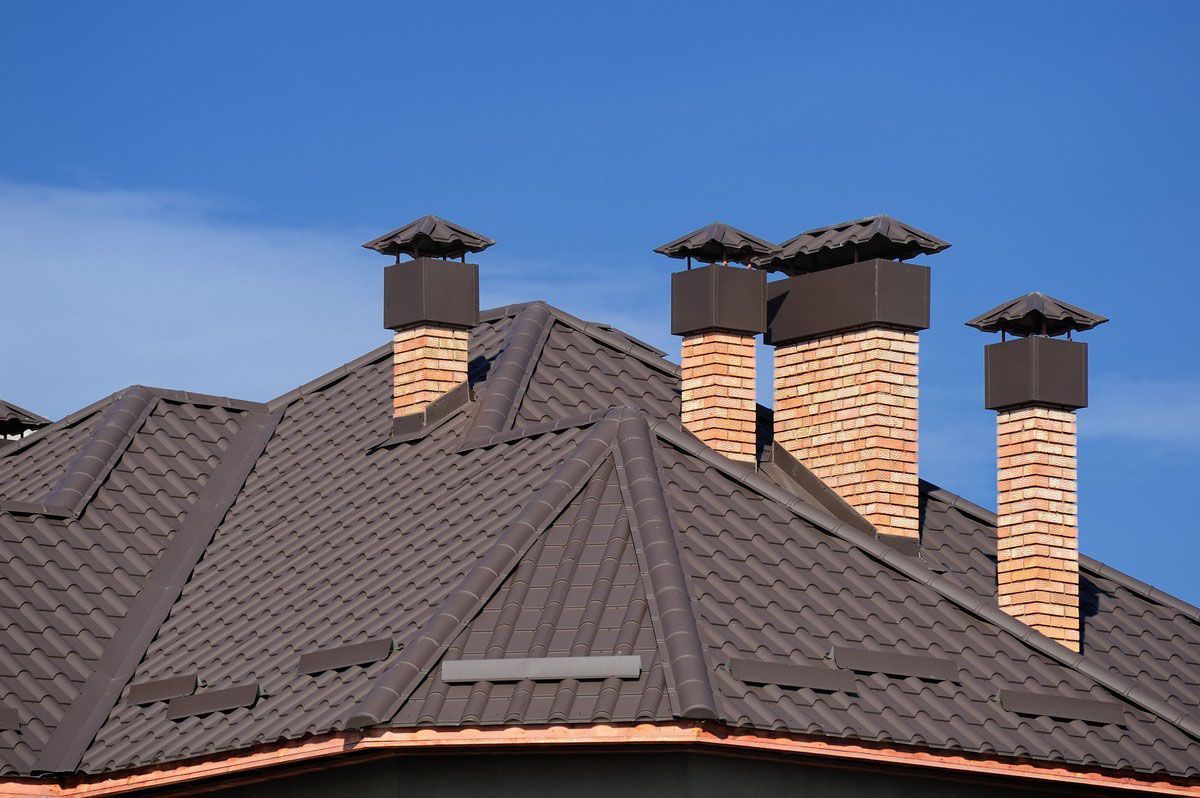
Flashing is installed around chimneys, skylights, and roof penetrations to protect the most vulnerable parts of the roof structure. Properly installed flashing prevents rainwater from seeping behind the roofing materials and causing internal water damage. Attention to detail in this stage is critical because hidden flaws can lead to costly repairs later. When roofers take the time to complete these foundational components correctly, the roof can perform as designed for years to come.
Completing the Roof Installation With the Final Materials
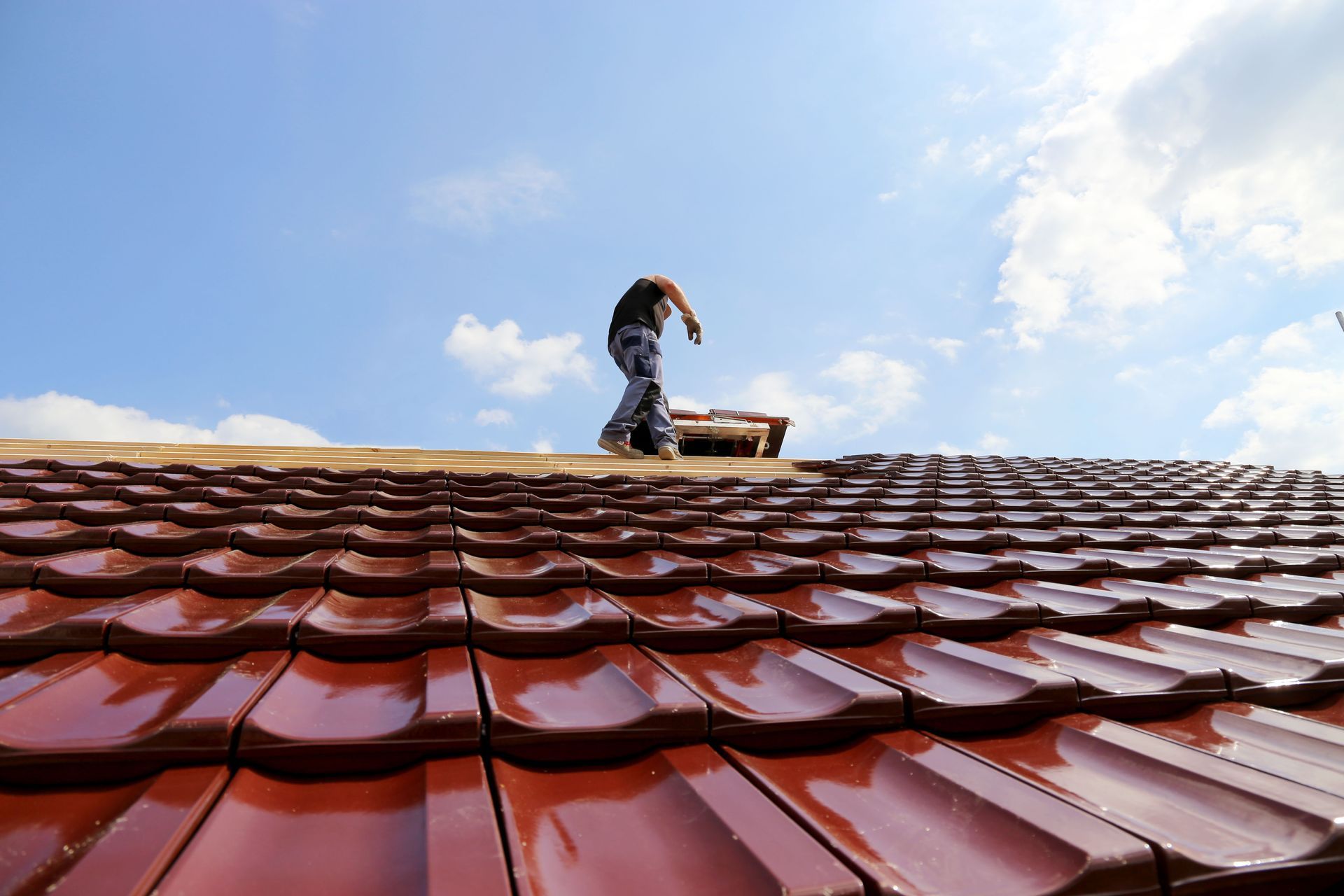
With the protective elements securely in place, the new roofing materials are installed. The contractor works strategically from the bottom of the roof upward, ensuring shingles overlap correctly to shed water efficiently. Each section is secured according to manufacturer guidelines to ensure proper wind resistance and long-term durability. During installation, the crew continuously checks alignment, nail placement, and overall uniformity so the final appearance is both appealing and structurally sound.
Because installation techniques directly influence performance, most homeowners trust qualified professionals to handle this phase. According to This Old House, about 79% of homeowners choose to hire professional roofers for their roofing projects, a choice that helps reduce the risk of leaks, improper fastening, or structural shortcuts. A certified contractor understands how to manage changes in roof pitch, complex structures, and weather conditions, all while meeting safety guidelines.
Modern roofing materials also include specialty components—starter strips along edges, hip and ridge caps for waterproofing transitions, and sealants designed to reinforce vulnerable areas. High-quality installation of these elements enhances weather resistance and ensures the roof remains stable during storms. A correct roof installation not only improves protection but also enhances curb appeal, potentially boosting resale value and increasing the home’s visual harmony with its surroundings.
Completing Final Cleanup, Conducting Inspection, and Providing Maintenance Guidance
Once the shingles and finishing components are installed, contractors conduct a thorough inspection. They review each section of the roof to verify proper sealing, fastening, and flashing placement. Inspecting the installation immediately allows any corrections to be made before the project is completed. The homeowner may be invited to review the work and ask questions during this phase.
Cleanup is a defining part of professional service. Crews remove debris, sweep the worksite, and use magnetic tools to locate any loose nails around the property. Gutters are checked for stray materials, and tarps are removed after everything is secured. A well-established roofing company leaves the home looking clean and safe once work is complete.
Many contractors also provide warranty documents that support the longevity of the roof installation. Homeowners receive guidance on maintaining their new roof, which may include seasonal inspections, debris clearing, or follow-up evaluations after severe storms. This information empowers them to protect their investment and prolong the life of the roofing system.
Routine maintenance contributes significantly to long-term performance. Even the strongest roof benefits from simple care, such as keeping gutters clean and trimming overhanging branches. When homeowners stay engaged with roof upkeep, they help reduce repair needs and ensure the structure continues to protect the home’s interior for decades.
A professional roof installation brings together planning, structural expertise, and attention to detail to ensure that a home is fully protected from the elements. While the steps involved can appear complex, knowing what to expect makes the process much easier for homeowners to follow. From initial inspection to final cleanup, trained roofing professionals handle each phase with precision, safety, and quality workmanship. The result is a reliable roofing system that improves property value, enhances visual appeal, and supports the comfort and security of everyone inside. Reach out to All Over Roofing now and let our experienced team deliver reliable solutions that keep your home safe year-round.
Share On: